Fear of Open Spaces: What It Is Called and When It May Be Agoraphobia
If you searched for "fear of the open spaces," you may be trying to name a feeling that is hard to explain: a parking lot feels too exposed, a wide plaza feels unsafe, or going outside alone feels harder than it should. The fear of open spaces is often linked with agoraphobia, but the two phrases are not always identical. Some people fear the size or emptiness of a place. Others fear panic, dizziness, being trapped, embarrassment, or not being able to get help. This guide explains the difference in plain language and offers a calm way to reflect on your pattern. If you want a private first step, you can also explore a confidential agoraphobia self-reflection tool after reading.
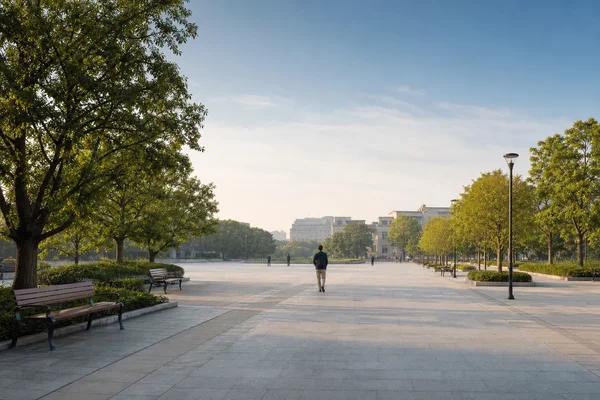
Is Fear of Open Spaces Always Agoraphobia?
Not always. In everyday speech, many people say agoraphobia is the fear of open spaces. Historically, the word is connected to public places and open markets. In modern mental health language, however, agoraphobia is broader than a simple dislike of large places.
Agoraphobia usually centers on fear or anxiety about situations where escape may feel difficult, help may feel unavailable, or panic-like symptoms may feel embarrassing or unsafe. Open spaces can be one trigger, but they are only one possible part of the pattern. Other common situations include public transportation, enclosed places, crowds, standing in line, and being outside the home alone.
That difference matters because two people may both say "I am afraid of open spaces" and mean different things. One person may feel exposed in an empty field because there are no walls or landmarks. Another may fear having a panic attack in a mall parking lot and not being able to leave quickly. A third may only feel uneasy when outside alone, but feel fine in the same place with a trusted person.
So the best question is not only "What is the fear of open spaces called?" A more useful question is: what part of the open space feels threatening to you?
What Is the Fear of Open Spaces Called?
The most common answer is agoraphobia, especially when the fear involves public places, leaving home, being outside alone, crowds, transportation, or concern that escape or help would be difficult. If the fear is specifically about emptiness, vastness, or the lack of visual support in a wide open place, you may also see older or less common terms such as "space phobia" used in research discussions.
There are also internet lists that mention highly specific phobia names. Treat those lists carefully. A name can be useful for searching, but it does not explain your full experience. A clinician would usually look at the feared situation, the feared outcome, how long it has been happening, how much avoidance it causes, and whether another condition, medical issue, substance, trauma reminder, or situational fear may better explain it.
For SEO searches, these phrases often overlap:
- "Fear of open spaces" usually points toward agoraphobia or open-space-related anxiety.
- "Fear of wide open spaces" may emphasize exposure, distance, emptiness, or visual disorientation.
- "Fear of large open spaces" may overlap with malls, bridges, plazas, parking lots, fields, or big stores.
- "Fear of going outside alone" may suggest a support-person pattern, panic concern, safety concern, social concern, or agoraphobic avoidance.
- "Fear of leaving the house" can happen in severe agoraphobic patterns, but it can also reflect depression, trauma, physical health concerns, or other anxiety experiences.
If open spaces are part of a wider pattern of avoidance, a free agoraphobia self-assessment can help you organize what you are noticing before you decide what kind of support to seek.
How Open Spaces Can Feel Threatening
Open spaces can create several different kinds of fear. Naming the exact fear often makes the next step less confusing.
Some people fear exposure. A plaza, field, bridge, or parking lot may feel too visible, too empty, or too far from shelter. The space itself seems to remove the sense of a boundary.
Some people fear distance from safety. The worry is not the open area alone, but the thought: "What if I need to leave quickly?" A large store, long bridge, crowded square, or airport concourse may feel difficult because the exit seems far away.
Some people fear body sensations. Dizziness, shortness of breath, a racing heart, stomach discomfort, trembling, sweating, or feeling unreal can become frightening. If those sensations happened before in an open place, the mind may start treating similar places as danger signals.
Some people fear being alone outside. The place may feel manageable with a partner, family member, or friend, but overwhelming alone. This does not mean the fear is fake. It means companionship may be acting as a safety cue.
Some people fear public visibility. This can overlap with social anxiety, especially when the main worry is being judged, watched, embarrassed, or seen while panicking. In that case, the open space may matter because it feels socially exposed.
Fear of Open Spaces Not Agoraphobia: When Another Explanation May Fit
The phrase "fear of open spaces not agoraphobia" is common because many people sense that their experience does not fit the usual description. That instinct is worth respecting.
It may be less like agoraphobia if the fear is limited to one specific type of place, such as very high bridges, cliffs, stadium balconies, or the open ocean. Fear of heights, fear of deep water, or fear of certain large objects can feel similar in the body but have a different focus.
It may be more related to vestibular or balance concerns if the open space makes you feel unsteady, visually unsupported, or afraid of falling, especially if dizziness is a major part of the experience. In older research, "space phobia" described fear connected with absent visual-spatial support and falling rather than fear of public places.
It may be more related to trauma if the place, light, weather, sound, or layout reminds you of a frightening event. In that case, the open space may be a cue, not the root issue.
It may be more related to social anxiety if the central fear is being watched, judged, or humiliated. Agoraphobia can involve embarrassment about panic-like symptoms, but social anxiety focuses more directly on negative evaluation by other people.
It may be more related to practical safety concerns if the place is genuinely unsafe, poorly lit, isolated, or difficult to navigate. Anxiety is not automatically irrational. Context matters.
None of these possibilities can be sorted out by a single article. The goal is to help you notice the pattern with more precision.
A Simple Checklist for Understanding Your Pattern
Use these questions for self-reflection, not as a verdict.

- What exact place feels hard: parking lots, bridges, malls, fields, public squares, transit stations, or being outside the home alone?
- What do you fear will happen: panic, falling, getting lost, being trapped, being judged, not finding help, or not reaching a bathroom?
- Do you avoid the place, endure it with intense distress, or go only with a companion?
- Does the fear happen in more than one type of situation?
- How long has the pattern been present?
- Does it interfere with work, school, errands, relationships, appointments, or ordinary routines?
- Are there physical symptoms, medical concerns, medications, substances, sleep issues, or recent stressors that might be part of the picture?
If your answers show repeated avoidance across several situations, especially open spaces plus crowds, transport, enclosed places, lines, or going outside alone, agoraphobia may be worth learning about. If the fear is narrow and situation-specific, another anxiety pattern or physical factor may be more relevant.
What Helps When Open Spaces Feel Overwhelming?
Support usually starts with understanding, not forcing. If you are frightened of open spaces, it is tempting to either avoid them completely or push yourself too hard to prove you can handle them. Both can backfire.
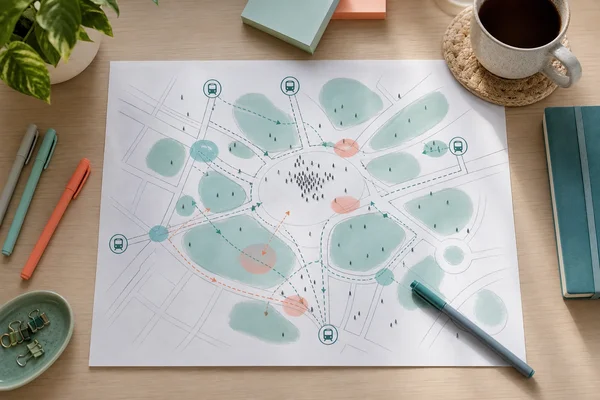
A gentler approach is to build a small map of difficulty. For example, standing at the doorway may be easier than walking to the mailbox. A quiet sidewalk may be easier than a wide parking lot. A short visit with a companion may be easier than crossing an open plaza alone. This kind of ranking can make the fear feel less like one huge wall.
You can also track body cues. Notice whether the first sign is dizziness, tight breathing, racing thoughts, nausea, heat, shaking, or the urge to escape. The cue is not a failure. It is information.
Grounding skills may help some people stay oriented: looking for stable visual markers, slowing the breath, naming objects in the environment, keeping attention on the next few steps, or choosing a clear return point before entering a large space. These are coping tools, not proof that you should handle everything alone.
Professional support is especially important if fear is shrinking your life, causing repeated panic, affecting responsibilities, or making it hard to leave home. Cognitive behavioral therapy, gradual exposure planning, and other evidence-informed approaches are commonly used for agoraphobic avoidance and related anxiety. A healthcare or mental health professional can also help consider medical, balance, trauma, panic, or medication-related factors.
A Calm Next Step if Open Spaces Feel Hard
The fear of open spaces can be confusing because the same phrase may describe several different experiences. It may be agoraphobia when open spaces are part of a broader fear of being unable to escape, get help, or manage panic-like symptoms. It may be something else when the fear is mainly about height, emptiness, falling, social judgment, trauma reminders, or a specific setting.
You do not need to label everything perfectly before taking a useful next step. Start by writing down the situations, feared outcomes, safety behaviors, and places you avoid. If you want to compare your experiences with common agoraphobia and panic patterns, you can review an agoraphobia and panic screening as an educational starting point. Use any result as a prompt for reflection or a conversation with a qualified professional, not as a final answer about your health.
FAQ
Is there a phobia for open spaces?
The common everyday answer is agoraphobia, but that answer is incomplete. Agoraphobia is not only fear of open spaces. It often involves fear of situations where escape may feel difficult or help may feel unavailable, such as open spaces, crowds, public transport, enclosed places, lines, or being outside alone.
What is the fear of open spaces called?
Most people use "agoraphobia" for the fear of open spaces, especially when public places, panic, avoidance, or difficulty leaving home are involved. If the fear is specifically about emptiness, vastness, falling, or lack of visual support, it may be better to describe the exact experience rather than rely on one label.
Can fear of open spaces be not agoraphobia?
Yes. Fear of open spaces may also overlap with fear of heights, fear of falling, social anxiety, trauma reminders, vestibular or balance concerns, fear of deep water, or a narrow specific phobia. The feared outcome matters as much as the place.
Is fear of going outside alone the same as agoraphobia?
It can be part of agoraphobia, but it is not automatically the same thing. Some people fear being outside alone because they worry about panic, escape, help, safety, judgment, or physical symptoms. A professional can help sort out the pattern if it is persistent or disruptive.
What is paraskevidekatriaphobia?
Paraskevidekatriaphobia is commonly used to mean fear of Friday the 13th. It is not a term for fear of open spaces, but it appears in search results because people often compare unusual phobia names.
What are megalohydrothalassophobia and koumpounophobia?
Megalohydrothalassophobia is commonly used online for fear of very large bodies of water or vast deep water. Koumpounophobia means fear of buttons. Neither term is the usual name for fear of open spaces, though open water, large places, or specific objects can all become anxiety triggers for different people.