Fear of Crowded Places: What It Is, Symptoms, and Next Steps
Fear of crowded places can feel confusing because the trigger is not always the crowd itself. One person may fear being trapped in a packed train, while another may dread losing control, feeling watched, or being unable to leave without drawing attention. If crowds, public places, or busy indoor spaces have started shaping your plans, an educational tool such as a private agoraphobia and panic screening can help you reflect on patterns before deciding what support you may need. It is not a formal clinical evaluation, but it can turn a vague worry into clearer notes about situations, sensations, and avoidance.
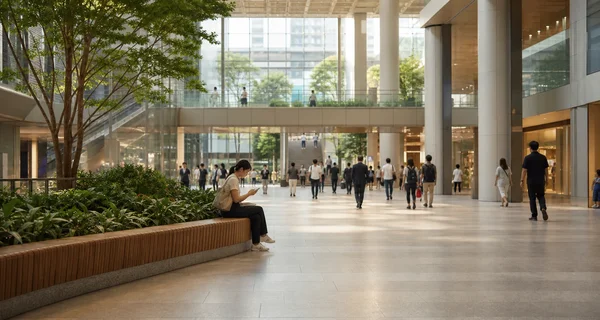
What Is the Fear of Crowded Places Called?
The fear of crowded places is often called enochlophobia, especially when the main fear is crowds or large groups of people. You may also see related words such as ochlophobia, which is sometimes used for fear of mob-like crowds, and demophobia, which may be used more broadly for fear of people or crowds. These terms are useful search phrases, but real-life experiences rarely fit neatly inside one word.
Many people who search for the medical term are really asking a practical question: "Why do I feel unsafe when a place fills up?" The answer may involve the crowd density, the noise, the lack of personal space, a previous frightening experience, panic-like body sensations, or the thought that leaving will be difficult.
It also matters whether the fear is occasional discomfort or a pattern that changes daily life. A dislike of packed concerts is common. A fear pattern becomes more concerning when it leads you to avoid normal errands, skip work or school events, depend heavily on companions, or spend a lot of time planning escape routes.
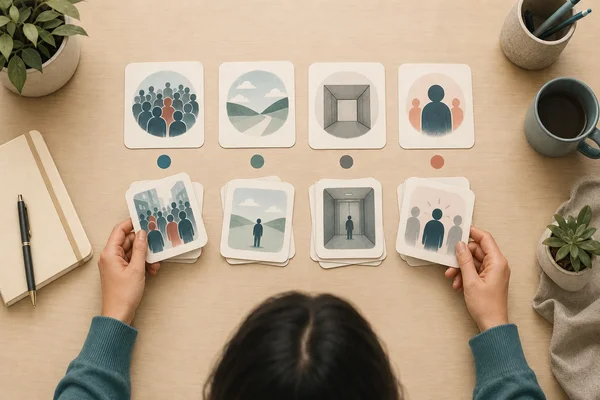
Enochlophobia, Agoraphobia, Claustrophobia, and Social Anxiety
Several anxiety patterns can overlap with fear of crowded places. Naming the difference can make your next step clearer.
Enochlophobia focuses on crowds
Enochlophobia usually points to fear of the crowd environment itself. The person may worry about being pushed, trapped, overwhelmed, lost, or unable to move freely. The crowd can be strangers at a stadium, shoppers in a store, passengers on a train, or people gathering in a hallway after an event.
Agoraphobia focuses on escape or help feeling difficult
Agoraphobia can include fear of crowds, but the center is often the thought that escape, safety, or help would be hard if anxiety became intense. A person may fear standing in line, using public transport, being in open spaces, being in enclosed public spaces, leaving home alone, or entering unfamiliar public places. If your fear of crowded public places is tied to panic sensations and "what if I cannot get out?" thoughts, it may resemble an agoraphobia pattern.
This is where a free agoraphobia self-check can be useful as a reflection aid. It can help you notice whether the issue is mainly crowd size, panic symptoms, leaving home, public transport, open spaces, enclosed spaces, or a mix.
Claustrophobia focuses on enclosed spaces
Fear of crowds in small spaces can feel like both crowd fear and claustrophobia. Claustrophobia is commonly linked to confined or enclosed places, such as elevators, small rooms, tunnels, crowded trains, or medical scanning machines. If the fear rises mainly because the space feels physically tight, the enclosed-space element may be important.
Social anxiety focuses on judgment
Social anxiety is different again. It usually centers on fear of being judged, embarrassed, watched, or rejected. A person with social anxiety may feel worse when they must speak, perform, eat, or interact in front of others. A person with crowd fear may feel anxious even when nobody is paying attention, simply because the density and movement of people feel unsafe or overwhelming.
Fear of Crowded Places Symptoms
Fear of crowded places symptoms can show up before, during, or after the event. Some people feel anxious days before a planned outing. Others feel fine until the doors close on a train, the checkout line stops moving, or a room becomes noisy and packed.
Common physical signs include:
- racing heart or chest tightness
- sweating, trembling, or feeling shaky
- shortness of breath or a choking sensation
- dizziness, lightheadedness, or feeling faint
- nausea, stomach cramps, or urgent bathroom worries
- hot flashes, chills, or numbness
- muscle tension, restlessness, or feeling frozen
Common emotional and thinking patterns include:
- an urgent need to escape
- scanning exits, doors, seats, or quiet corners
- fear of fainting, panicking, getting stuck, or losing control
- dread before errands, travel, events, or lines
- feeling embarrassed about needing to leave
- replaying the experience afterward and worrying about the next one
Behavioral signs can be just as important. You may choose stores only at quiet hours, avoid public transport, leave events early, refuse invitations, sit near exits, or rely on another person to go with you. These strategies may lower anxiety in the short term, but heavy avoidance can make the world feel smaller over time.
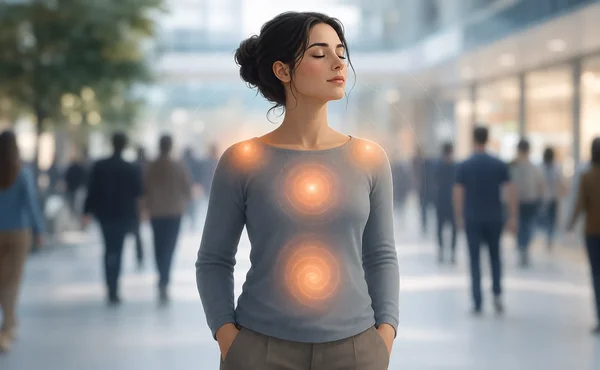
Why Crowded Places Can Feel So Threatening
Crowds combine several stressors at once. There may be noise, heat, unpredictable movement, limited personal space, long waits, bright lighting, and pressure to keep moving. If your nervous system is already tired, stressed, or on alert, the crowd can feel like too much input too quickly.
For some people, the fear began after a bad experience: getting separated from someone, feeling trapped in transit, having a panic attack in public, being harmed or threatened, or becoming ill away from home. For others, there is no single memory. The pattern may build gradually through repeated anxious experiences and avoidance.
Panic can also teach the brain to treat neutral places as risky. If you once had a racing heart in a crowded store, the next crowded store may feel dangerous even before anything happens. The body remembers the association and prepares for escape. That preparation can create more symptoms, which then seem to "prove" that the place is unsafe.
Crowd fear can also overlap with sensory sensitivity. Loud sound, strong smells, flashing screens, and people brushing past can be genuinely draining. In that case, the goal may not be to force yourself to love busy places, but to understand your limits, reduce overload, and build flexible choices.
A Gentle Self-Reflection Checklist
Use this checklist to sort the fear into clearer pieces. It is not a clinical tool, but it can help you prepare for a conversation with a healthcare or mental health professional.
- Which places trigger the strongest reaction: trains, stores, concerts, classrooms, lines, malls, elevators, open plazas, or busy streets?
- Is the fear mainly about the number of people, the lack of exits, feeling watched, sensory overload, or panic symptoms?
- Do you fear the place itself, or do you fear what might happen inside your body while you are there?
- Do you avoid the situation completely, endure it with distress, or only go with a trusted person?
- Has the pattern lasted for weeks or months, and is it limiting work, school, care tasks, relationships, or basic errands?
- What helps a little: quieter times, a seat near an exit, a planned route, breathing practice, shorter visits, or supportive company?
You may notice more than one answer. Someone can be fearful of crowded places and also worry about open spaces, leaving home, public transport, or enclosed rooms. The useful question is not "Which label is perfect?" but "Which pattern is making life harder, and what kind of support would match it?"

What to Do When You Are Anxious in a Crowd
When anxiety spikes in a crowd, the first goal is not to argue yourself into instant calm. A more realistic goal is to reduce the sense of emergency enough to choose your next step.
Try a simple three-part plan:
- Name the moment: "This is anxiety in a crowded place. It feels intense, but I can slow the next minute down."
- Orient to the environment: notice three stable objects, one exit option, and one place where you could pause if needed.
- Lower the body alarm: lengthen your exhale, relax your shoulders, unclench your jaw, and plant both feet on the floor.
If you can, avoid making escape the only coping tool. Leaving may be the right choice sometimes, especially if you feel unwell or unsafe. But when every anxious moment ends in immediate escape, the brain may learn that crowds are always unbearable. A middle path can help: step to the side, reduce stimulation, stay for one more planned minute, then decide.
For planned outings, keep experiments small. Instead of jumping from total avoidance to a packed event, you might visit a quiet store for five minutes, ride one transit stop at an off-peak time, or walk through a busier street with a supportive person. These are practice steps, not tests of character.

When to Seek Professional Support
Consider professional support if fear of crowded places is persistent, escalating, or interfering with daily life. Useful signs include avoiding necessary errands, missing important events, feeling unable to leave home alone, having repeated panic attacks in public, using alcohol or substances to get through outings, or feeling hopeless about the pattern.
Evidence-informed support may include cognitive behavioral therapy, gradual exposure work, panic-focused skills, mindfulness-based strategies, or care for related anxiety or mood concerns. A licensed professional can help you build a plan that respects your pace and screens for medical issues that may mimic anxiety symptoms, such as heart rhythm concerns, breathing problems, medication effects, or vestibular issues.
If you have thoughts of harming yourself, feel at immediate risk, or cannot stay safe, seek urgent local help right away. For non-urgent concerns, a primary care clinician or mental health professional can help you decide what type of care fits your situation.
Turning Fear of Crowded Places Into a Clearer Next Step
Fear of crowded places is not a personal flaw. It is a signal that your body and mind are treating certain environments as difficult, unsafe, or overwhelming. The most helpful next step is usually not a dramatic leap into the busiest place you can imagine. It is a clearer map: what triggers the fear, what sensations show up, what you avoid, what you can still do, and what support would make change more realistic.
If you are trying to understand whether crowd fear connects with panic, public spaces, leaving home, or escape-related worries, you can review a confidential reflection tool for agoraphobia patterns. Use the result as a starting point for notes and discussion, not as a final answer. Small, supported steps can still matter, especially when they help you reclaim ordinary parts of life one situation at a time.
FAQ
What is the fear of crowds called?
The fear of crowds is often called enochlophobia. Related terms include ochlophobia and demophobia. If the fear is mainly about being unable to escape or get help in public places, it may also overlap with agoraphobia.
Why do I get anxious in crowded places?
Crowded places can combine noise, movement, heat, waiting, limited personal space, and uncertainty. Anxiety may also be linked to past experiences, panic-like body sensations, sensory overload, or worries about being trapped or unable to leave.
Why am I scared to go to crowded places?
You may be scared because your brain has learned to treat crowded settings as risky. This can happen after a frightening event, repeated panic symptoms, high stress, or gradual avoidance. A professional can help you explore the pattern if it is limiting your life.
Is fear of crowded places the same as agoraphobia?
Not always. Fear of crowded places may focus on crowds themselves. Agoraphobia is broader and often involves fear of situations where escape or help may feel difficult, such as public transport, lines, open spaces, enclosed public spaces, or leaving home alone.
What is tomophobia?
Tomophobia refers to intense fear related to surgery or invasive medical procedures. It is different from fear of crowded places, although both can involve anxiety symptoms such as a racing heart, nausea, dizziness, or avoidance.
Can fear of crowds happen in small spaces?
Yes. A crowded elevator, train, hallway, or small store can trigger both crowd-related fear and enclosed-space fear. If the tightness of the space is the main issue, claustrophobia may be part of the picture.
Is fear of crowded places in Sims 4 the same as real-life anxiety?
No. The Sims 4 phrase is a game mechanic. Real-life fear of crowded places involves your own body, choices, safety needs, and daily functioning. If searches about the game lead you to recognize a real pattern, treat the real-life concern separately.
How can I overcome fear of crowded places?
Change usually works best through small, planned steps rather than force. You might track triggers, practice calming skills, reduce sensory overload, try brief low-crowd outings, and seek professional support if avoidance, panic, or distress is interfering with your life.