Can Isolation Cause Agoraphobia? How Avoidance Can Shrink Your World
Can isolation cause agoraphobia? It can contribute to an agoraphobia-like pattern, especially when staying home becomes the main way to avoid panic, uncertainty, crowds, public transport, or places that feel hard to leave. Isolation is rarely the only factor, but it can make everyday environments feel less familiar and more threatening over time. If you are trying to understand whether your avoidance is just a quiet season or something closer to agoraphobia, a private agoraphobia and panic self-screening can be a gentle first step. It is not a formal diagnosis, but it can help you organize what you are noticing.
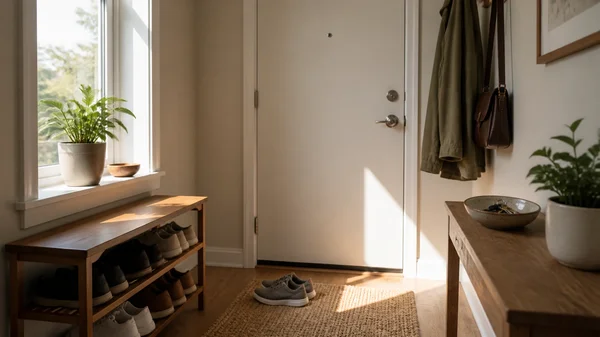
Short Answer: Isolation Can Contribute, But It Is Rarely the Whole Cause
Isolation does not automatically create agoraphobia. Many people spend time alone because they work from home, recover from illness, care for family, grieve, study, or simply need rest. Alone time becomes more concerning when it is paired with fear and avoidance: avoiding stores because escape feels difficult, avoiding public transport because panic feels possible, or avoiding social plans because being far from home feels unsafe.
Agoraphobia is usually about more than being socially isolated. It often involves fear of specific situations where leaving might feel hard, help might feel unavailable, or panic symptoms might feel embarrassing or unmanageable. Common examples include crowds, lines, buses, trains, open spaces, enclosed public places, bridges, theaters, airports, or being outside alone.
Isolation can feed that fear in a practical way. The less often you enter everyday places, the less recent evidence your brain has that you can handle them. A simple errand may start to feel unusually intense. A short trip may require planning that used to be automatic. The home becomes the default safe zone, and everything outside it starts to feel like a bigger event.
That is why the better question is not simply "can isolation cause agoraphobia?" A more useful question is: "Has isolation changed what my nervous system now expects from ordinary places?"
How Isolation Can Turn Into an Avoidance Loop
Avoidance can feel helpful in the short term because it lowers anxiety quickly. If you skip the grocery store, the immediate fear drops. If you cancel a train ride, you no longer have to face the sensations you were dreading. That short-term relief teaches the brain that avoidance worked, even if it also made the next attempt harder.
Less practice makes ordinary places feel unfamiliar
Most daily confidence is built through repetition. You know how a store feels because you have gone into stores many times. You know how to wait in a line because you have waited before and nothing disastrous happened. You know how to sit on a bus because your body has practiced the sounds, movement, other passengers, stops, and small delays.
Isolation removes some of that repetition. After weeks or months of limited outside activity, the same place can feel louder, brighter, closer, and less predictable. This does not mean you are weak or "making it up." It means your brain has fewer recent memories of handling that setting.
Safety habits can quietly become stricter
Isolation can also strengthen safety habits. At first, you may only avoid peak-hour crowds. Later, you may avoid all stores unless someone comes with you. Then you may only go to one familiar store, then only at one specific time, then only if you can park close to the door.
Each rule may sound reasonable on its own. The problem is the direction of travel. When the rules keep getting narrower, your comfort zone can shrink without one dramatic moment. This is why agoraphobia can feel confusing: it may not arrive all at once. It may look like a series of small, understandable adjustments that slowly become hard to reverse.
Panic memories can make staying in feel logical
If you have had panic symptoms in public, isolation may feel like self-protection. A racing heart, dizziness, nausea, trembling, shortness of breath, or a sense of losing control can be frightening. It is understandable to want to avoid the place where those sensations happened.
But the body can learn fear by association. If panic happened in a checkout line, the line may start to feel dangerous. If it happened on a bus, the bus may feel unsafe. If staying home prevents the fear from being tested, the association can remain strong. In that sense, isolation may not be the root cause, but it can help keep the cycle going.

Isolation vs. Agoraphobia: Where the Line Usually Sits
The difference between isolation and agoraphobia is not only how often you leave home. It is also why leaving feels difficult.
Someone who is isolated may feel lonely, bored, disconnected, depressed, exhausted, or out of practice. They may want more contact but lack energy, access, support, or opportunity. Someone with agoraphobia-related avoidance may also feel lonely, but the central problem is often fear of being trapped, panicking, losing control, or not being able to get help in certain places.
There can be overlap. A person can be isolated and anxious. A person can have social anxiety and agoraphobia-like avoidance. A person can avoid people because of embarrassment about panic symptoms, while also avoiding public places because escape feels hard. This is why labels can be less useful than pattern tracking.
It is also worth addressing the phrase "fake agoraphobia," because some searchers use it when they feel unsure whether their fear is valid. Feeling inconsistent does not mean the problem is fake. You might manage one errand but avoid another. You might travel with a trusted person but not alone. You might look calm from the outside while feeling intensely alert inside. Anxiety patterns often fluctuate by sleep, stress, location, hormones, health worries, recent panic experiences, and perceived exit options.
Instead of asking whether your experience is real enough, ask what it is costing you. Are you missing medical appointments, work obligations, family events, exercise, friendships, or basic errands because leaving feels unsafe? That cost matters.
Signs the Pattern May Be Moving Beyond Normal Alone Time
Isolation is more likely to be connected to agoraphobia when it changes what you believe you can handle outside the home. An online agoraphobia self-check can help you reflect on these patterns, but you can also start by looking for concrete changes.
Watch for signs such as:
- You avoid places mainly because escape might be difficult.
- You plan every outing around exits, bathrooms, parking, crowds, or travel time.
- You only go out with a specific person, object, route, or backup plan.
- You feel intense dread before ordinary errands.
- You cancel plans because you imagine panicking away from home.
- You avoid public transport, lines, open spaces, busy stores, or enclosed venues.
- Your list of "safe" places is getting shorter.
- Staying home brings relief, but the next outing feels harder.
The key pattern is not one bad day. It is a repeated cycle: fear, avoidance, relief, then more fear the next time. If that cycle is narrowing your life, it deserves attention even if you can still function in some areas.

What Helps: Gentle Re-Entry, Support, and Professional Guidance
When isolation and agoraphobia-like avoidance overlap, the goal is usually not to force yourself into the hardest situation immediately. Sudden pressure can backfire. A steadier approach is to rebuild trust through small, repeatable steps that your nervous system can learn from.
Map the smallest outside step
Choose a step that is specific, brief, and repeatable. That might mean standing on the porch for two minutes, walking to the mailbox, sitting in a parked car, entering a quiet store for one item, or riding one stop with a trusted person. The point is not to prove anything dramatic. The point is to gather new evidence that discomfort can rise and fall without needing to escape instantly.
Keep the first steps boring on purpose. If the step is too large, the lesson may become "I barely survived." If the step is small enough to repeat, the lesson can become "I can practice this again."
Reduce safety rules gradually
Safety habits are not moral failures. Many people use them to cope. The question is whether they are helping you expand your life or keeping it smaller. If you always need one perfect condition before leaving, consider loosening only one rule at a time.
For example, you might still go with a trusted person, but choose a slightly different time of day. Or you might still choose a familiar store, but walk down one extra aisle. Or you might still bring water, but stay for two minutes after the first urge to leave. These changes may look minor, yet they give the brain practice with flexibility.
Keep human contact in the plan
Isolation can make fear feel larger because there are fewer normalizing conversations and fewer supportive check-ins. If possible, tell one trusted person what you are practicing. You do not need to describe every detail. A simple message such as "I am practicing short errands again, and I may need encouragement afterward" can reduce shame.
Support matters, but it should not become the only way you can leave home. A helpful supporter can encourage calm practice, avoid pushing too hard, and celebrate effort without turning every outing into a test of success or failure.

Consider therapy support when avoidance is persistent
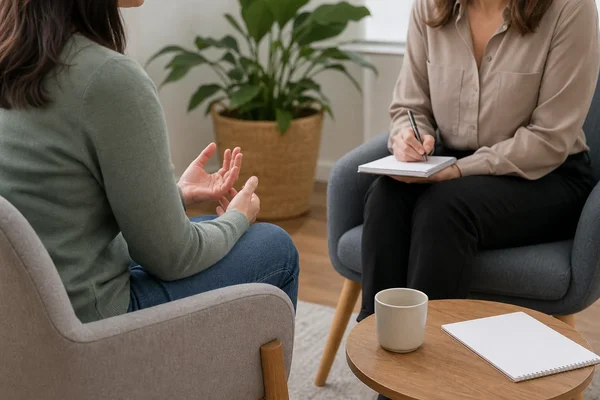
Many people benefit from professional support for agoraphobia, especially when avoidance is spreading, panic symptoms are intense, or daily life is becoming limited. Cognitive behavioral therapy, often with gradual exposure practice, is commonly used for agoraphobia-related fear and avoidance. A qualified clinician can help build a plan that fits your situation, pace, health history, and safety needs.
Self-help can be useful, but it has limits. If you are missing essential care, unable to work or study, relying heavily on others to leave home, using substances to get through outings, or having thoughts of self-harm, it is important to seek professional or emergency support in your area.
A Low-Pressure Way to Reflect on Your Pattern
Can isolation cause agoraphobia? Isolation can be part of the pathway, especially when it removes practice, strengthens safety rules, and turns home into the only place that feels manageable. But it is not a character flaw, and it is not something you have to solve in one leap.
Start by naming the pattern clearly: what places feel harder now, what you fear might happen there, what you do to feel safe, and what you have stopped doing because of the fear. From there, one small practice step and one supportive conversation can be more useful than waiting until you feel completely ready.
If you want a structured way to notice fear of public spaces, panic sensations, and avoidance patterns, you can review a quick agoraphobia screening as an educational first step. Use the result as a prompt for reflection or discussion with a qualified professional, not as a final answer about your mental health.
FAQ
Can isolation cause agoraphobia by itself?
Isolation by itself does not automatically cause agoraphobia. It can contribute when it reduces real-world practice and makes public places feel unfamiliar, unpredictable, or unsafe. The risk is higher when isolation is paired with panic memories, fear of being unable to leave, or repeated avoidance of everyday places.
What is the root cause of agoraphobia?
There is usually no single root cause. Agoraphobia can involve panic experiences, learned avoidance, stress, temperament, past frightening events, family patterns, health worries, and the belief that certain places are hard to escape or handle. Isolation may be one maintaining factor, but it is rarely the whole story.
Can you improve agoraphobia on your own?
Some people make progress with careful self-help, small exposure steps, breathing skills, journaling, and support from trusted people. However, professional support is important if avoidance is severe, spreading, linked with intense panic, or interfering with work, school, relationships, or essential care.
What kind of therapy is often used for agoraphobia?
Cognitive behavioral therapy is commonly used, often with gradual exposure practice. The goal is usually to understand the fear cycle, reduce avoidance, and rebuild confidence in specific situations step by step. A clinician can adapt the pace and methods to the person rather than using a one-size-fits-all plan.
How do I know if I just like staying home or if it is agoraphobia?
Look at choice and cost. Enjoying home is different from feeling unable to leave because public places, crowds, transport, or distance from home feel unsafe. If staying home is shrinking your options, increasing fear, or making ordinary tasks feel impossible, the pattern may deserve closer attention.
Is "fake agoraphobia" a real thing?
The phrase is usually unhelpful. Anxiety and avoidance can fluctuate, so a person may handle some situations and struggle with others. That inconsistency does not make the fear fake. It is better to track the actual pattern: what you avoid, what you fear, what safety rules you use, and how much life has narrowed.
How fast can agoraphobia improve after isolation?
Progress varies. Some people regain confidence quickly after gentle practice, while others need a longer plan with professional support. A rushed approach is not always better. Consistent, realistic steps often teach the nervous system more than one overwhelming push.