Agoraphobia Test & Therapy: Your First Steps to Getting Help
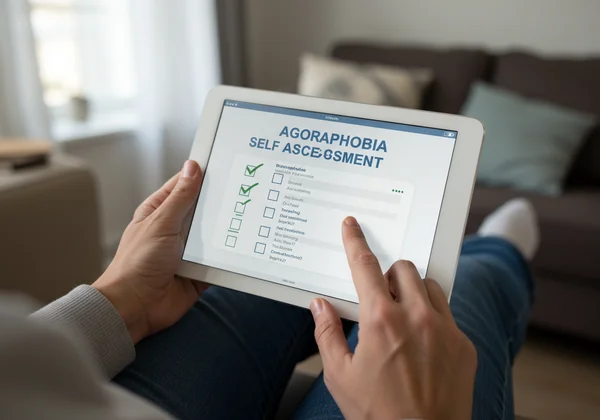
Feeling trapped by agoraphobia is an isolating experience. The thought of leaving your safe space to seek help can feel insurmountable. This guide demystifies agoraphobia therapy and shows what to expect. A common question is, how do you test for agoraphobia? While a professional diagnosis is key, a great first step is an online self-assessment. This confidential tool can provide the clarity to take the next empowering step.
Finding the Right Therapist for Agoraphobia
Embarking on recovery starts with finding the right mental health professional. This person will be your guide in navigating agoraphobia's challenges. It is essential to find someone who understands anxiety disorders and offers evidence-based treatment, as this search is the foundation of your journey.
What Kind of Professional Can Help with Agoraphobia?
When you begin your search, you'll encounter various titles and credentials. To treat agoraphobia effectively, you should look for licensed mental health professionals. These can include psychologists (Ph.D. or Psy.D.), licensed clinical social workers (LCSW), licensed professional counselors (LPC), or licensed marriage and family therapists (LMFT). Psychiatrists (M.D.) can also provide therapy and are qualified to prescribe medication if it's deemed a necessary part of your treatment plan. The key is that they have specific training and experience in treating anxiety disorders.
Essential Credentials and Specializations to Look For
Beyond a license, look for a therapist who specializes in anxiety and phobias. Many will list their specialties on their professional profiles. One of the most effective treatments for agoraphobia is Cognitive Behavioral Therapy (CBT), a goal-oriented approach that helps you change patterns of thinking and behavior. A therapist trained in CBT for agoraphobia is often an excellent choice. Another highly effective method is exposure therapy, a component of CBT where you gradually and safely confront the situations you fear. Don't be afraid to ask about a therapist's experience with these specific, evidence-based methods.
Where to Search for a Qualified Agoraphobia Therapist
Finding a qualified professional can seem daunting, but several resources can help. Professional organizations like the Anxiety & Depression Association of America (ADAA) or the Association for Behavioral and Cognitive Therapies (ABCT) have online directories of qualified therapists. Your primary care physician can also be a valuable source for referrals. Additionally, many online therapy platforms now allow you to filter therapists by specialization, making it easier to find someone experienced with agoraphobia from the comfort of your home.

Preparing for Your Initial Agoraphobia Therapy Session
After scheduling your first appointment, it's normal to feel both hope and apprehension. Being prepared can ease this anxiety and help you make the most of the session. This preparation empowers you to build a strong therapeutic relationship and collaborate on your recovery.
What Information Should You Bring to Your First Appointment?
To help your therapist understand your situation, it's useful to have some information ready. Consider writing down a brief history of your symptoms: when they started, what triggers them, and how they impact your daily life. If you've completed an online agoraphobia screening test, bringing a summary of your results can provide a fantastic starting point for the discussion. Also, list any past treatments you've tried and any medical conditions or medications you're currently taking.
Key Questions to Ask Your Potential Therapist
Your first session is also an opportunity for you to interview the therapist. You need to feel comfortable and confident in their approach. Prepare a list of questions to ask, such as:
- What is your experience treating agoraphobia?
- What therapeutic approaches do you use? (e.g., CBT, exposure therapy)
- What does a typical session look like?
- How will we measure progress?
- What are your fees, and do you accept my insurance? Knowing these details can help you determine if the therapist is the right fit for your journey toward agoraphobia recovery.
What to Expect in Your First Agoraphobia Therapy Session
The first therapy session is about getting to know each other and building a trusting alliance. There's no pressure to overshare; the goal is to establish a safe space to discuss your struggles and map a path forward. This initial conversation sets the stage for the work to come.
The Initial Assessment: Sharing Your Experience
During the initial assessment, your therapist will ask questions to gain a comprehensive understanding of your experiences with agoraphobia. They will want to know about your specific fears, the situations you avoid, and the physical and emotional symptoms you experience, such as panic attacks. This is not an interrogation but a compassionate conversation. It's your chance to share your story with someone trained to listen without judgment and identify patterns that can inform your treatment.
Setting Goals and Understanding Treatment Approaches
Towards the end of the session, the focus will shift to collaboration. You and your therapist will discuss your goals for therapy. What do you hope to achieve? This could be anything from being able to go to the grocery store alone to traveling on public transport. Based on this, the therapist will explain their proposed treatment plan and the therapeutic approaches they believe will be most effective. This is where they might introduce concepts like CBT or exposure therapy, explaining how these methods will help you reach your goals.

Beyond the First Session: Your Path to Agoraphobia Recovery
Therapy is a gradual, empowering process, not a quick fix. The work extends beyond the session, helping you build skills, confidence, and resilience to reclaim your life from fear. This journey is about progress, not perfection, and celebrating every step you take forward.
How Therapy Builds on Your Self-Assessment Insights
If you began your journey with an online test, you already have valuable self-assessment insights. Therapy is where you can explore these insights in depth. Your therapist can help you connect the dots between your test results and your real-life experiences. The patterns identified in a tool like the free agoraphobia test can become a roadmap for your therapy, highlighting specific areas to work on and helping you and your therapist set clear, targeted goals from the very beginning.
Committing to the Process and Celebrating Small Wins
The therapeutic process requires commitment and active participation. You will likely have tasks or "homework" between sessions, such as practicing relaxation techniques or attempting small, manageable exposure exercises. It’s crucial to remember that recovery is non-linear; there will be good days and challenging days. A key part of therapy is learning to acknowledge and celebrate small victories—whether it’s walking to the end of your street or simply making it through a difficult moment without a panic attack. Each small win is a building block toward lasting change.

Your Journey Forward: Embracing Recovery
Starting therapy for agoraphobia is a courageous act of self-care. Though the path may seem intimidating, it is a journey of empowerment and healing. From finding the right professional to understanding your sessions, you now have a map to guide you. Remember, you are not alone, and effective help is available. If you're just beginning to explore your feelings, start by gaining personal insight. Take the confidential agoraphobia test to better understand your symptoms. Let this be your first brave step toward a freer, fuller life.
Frequently Asked Questions About Agoraphobia Therapy & Assessment
How do you test for agoraphobia?
A formal diagnosis for agoraphobia must be made by a qualified mental health professional through a clinical assessment. However, you can begin to understand your symptoms by taking a scientifically-informed online agoraphobia test. The Agoraphobia Test is a confidential self-assessment designed to give you a preliminary understanding of your symptom level, which can be a helpful starting point before seeking professional help.
What are the levels of agoraphobia?
Agoraphobia exists on a spectrum. Some individuals may experience mild anxiety in specific situations but can generally function, while others may be severely limited and unable to leave their homes at all. Treatment is tailored to the individual's specific level of distress and impairment. A therapist will help determine the severity and create an appropriate treatment plan.
What is life like with agoraphobia?
Living with agoraphobia is challenging. It often involves constant high alert and avoiding triggers like crowds, public transport, or open spaces, which can lead to social isolation. A person might feel trapped. However, with the right therapy and coping strategies, it is possible to manage symptoms and lead a fulfilling life.
Can you suddenly get agoraphobia?
Agoraphobia often develops after a person has one or more panic attacks, leading them to fear having another attack and avoid the places where it occurred. While the onset might feel sudden, it usually follows a period of escalating anxiety or panic. In some cases, it can also develop gradually without a history of panic attacks.
What not to do with agoraphobia?
Completely giving in to avoidance is counterproductive. While it provides temporary relief, avoidance reinforces fear long-term, making your world feel smaller. It's also important not to invalidate your feelings. Acknowledging your fear and seeking structured, professional support is the most effective approach to recovery.