Agoraphobia Test: Symptoms, Causes, Coping & Recovery Guide
Feeling trapped by an overwhelming fear of certain situations? Does the thought of being in a crowd, on public transport, or even just away from home fill you with dread? This comprehensive guide will help you understand agoraphobia – its symptoms, what causes it, and empowering paths toward coping and recovery. How do I tell if I'm developing agoraphobia? Understanding the signs is the first step, and a confidential agoraphobia test can be a valuable tool on this journey. Discover how to take your first step toward understanding your experiences.
Understanding Agoraphobia: Beyond Fear of Open Spaces
Agoraphobia is often misunderstood as simply a fear of open spaces. In reality, it is a much more complex anxiety disorder. It involves an intense fear and avoidance of situations where escape might be difficult or help might not be available if panic-like symptoms occur. This fear is disproportionate to the actual danger of the situation.
What Exactly is Agoraphobia? Definition & Diagnostic Criteria
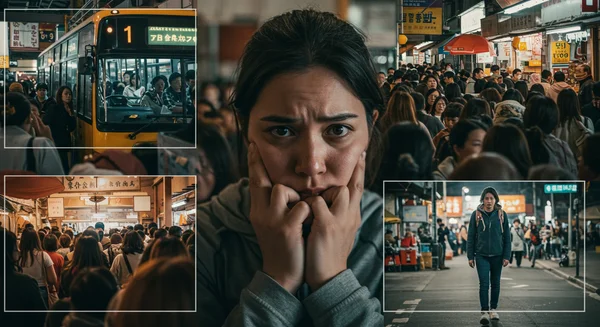
At its core, agoraphobia is a fear of feeling trapped, helpless, or embarrassed. According to professional agoraphobia diagnosis criteria, such as those outlined in the DSM-5, the condition involves marked fear or anxiety about two or more of the following situations:
- Using public transportation (buses, trains, planes).
- Being in open spaces (parking lots, marketplaces, bridges).
- Being in enclosed places (shops, theaters, cinemas).
- Standing in line or being in a crowd.
- Being outside of the home alone.
The individual fears these situations because they believe something terrible might happen, like having a panic attack, and they won't be able to escape. These situations are actively avoided, require a companion, or are endured with intense anxiety.
Is There a Spectrum for Agoraphobia? Levels & Nuances
Yes, agoraphobia exists on a spectrum. The levels of agoraphobia can range from mild to severe. Some individuals may experience anxiety but can still navigate most situations, albeit with significant distress. Others may begin avoiding specific triggers, like rush-hour traffic or crowded grocery stores. In the most severe cases, a person may become completely housebound, feeling that their home is the only safe space. Recognizing this spectrum is key to understanding that every experience is valid. An am I agoraphobic quiz can help you identify where your feelings might fall.
Agoraphobia vs. Other Anxiety Disorders: What Can it Be Mistaken For?
Agoraphobia is often linked with panic disorder, but they are not the same. While many people with agoraphobia also have panic disorder, it can occur on its own. It's also distinct from social anxiety, where the fear is centered on social scrutiny and judgment, rather than the fear of a panic attack or being trapped. It differs from a specific phobia, like claustrophobia (fear of enclosed spaces), because the fear in agoraphobia is broader and tied to the inability to escape multiple types of situations.
Recognizing the Signs: Agoraphobia Symptoms & How They Manifest
Understanding the agoraphobia symptoms is crucial for identification and seeking help. These signs are not just emotional; they manifest physically and behaviorally, creating a challenging cycle of fear and avoidance.
Common Emotional and Physical Symptoms of Agoraphobia
When faced with a feared situation, a person with agoraphobia can experience a rush of intense physical and emotional symptoms, often resembling a panic attack. These can include:
- Rapid heart rate or palpitations.
- Trouble breathing or a feeling of choking.
- Chest pain or discomfort.
- Dizziness, lightheadedness, or feeling faint.
- Shaking, trembling, or sweating.
- Fear of losing control or "going crazy."
- A profound sense of dread or impending doom.
Behavioral Patterns: Avoidance and Safety Behaviors
The most defining characteristic of agoraphobia is avoidance. To prevent the onset of fear and panic, individuals will go to great lengths to stay away from trigger situations. This leads to avoidance behaviors that can severely limit a person's life, affecting work, school, and relationships. They may also develop "safety behaviors," such as insisting a trusted friend or family member accompany them, always sitting near an exit, or carrying medication "just in case."

Can You Be Agoraphobic and Still Leave the House? Functional Agoraphobia
Absolutely. This is a common and important question. Many people with agoraphobia are not housebound. They may navigate their daily lives but with a constant, underlying current of anxiety. They might force themselves to go to work or run errands while enduring extreme distress, a state sometimes referred to as "functional agoraphobia." If you find yourself white-knuckling your way through daily life, a fear of leaving the house test might offer valuable insights into your experience.
Unpacking the Roots: What Causes Agoraphobia?
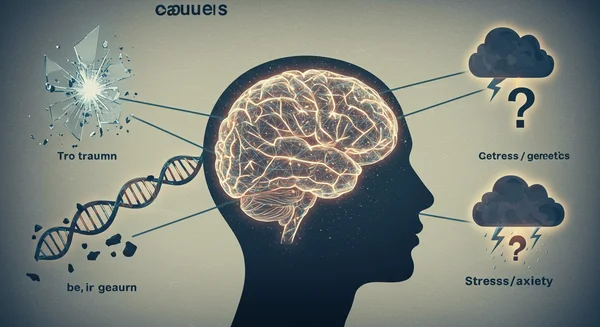
There is no single answer to what causes agoraphobia. Instead, it is believed to develop from a complex interplay of various factors. Understanding these potential roots can help demystify the condition and reduce self-blame.
Psychological & Biological Factors in Agoraphobia Development
A person's temperament, such as being naturally more anxious or prone to a nervous disposition, can be a contributing factor. A history of panic attacks is one of the strongest risk factors; after experiencing the terror of a panic attack in public, a person may begin to fear the situation itself. There is also evidence of a genetic component, meaning anxiety disorders can run in families.
Environmental & Traumatic Triggers
Stressful or traumatic life events can also serve as triggers for the onset of agoraphobia. These can include experiences like the death of a loved one, a serious illness, or being the victim of a crime. These events can shatter a person's sense of safety in the world, leading them to withdraw into a smaller, more controlled environment.
Empowerment Through Action: Coping & Self-Help for Agoraphobia
While professional help is often necessary, there are many steps you can take to manage your symptoms. These agoraphobia self help strategies can empower you to regain a sense of control and begin your journey toward recovery.
Gentle Steps: Self-Guided Strategies to Manage Agoraphobia Fears
Start small. Instead of trying to conquer your biggest fear at once, break it down into manageable steps. If a trip to the supermarket is overwhelming, your first step might be simply sitting in the car in the parking lot for five minutes. Celebrate these small victories. Learning to challenge anxious thoughts is another powerful tool. When your mind says "I can't handle this," gently counter with "I am anxious, but I am safe."
Building a Support System: How Friends & Family Can Help
Your support system is invaluable. For loved ones wondering how to help, patience and understanding are paramount. Avoid pressuring them to "just face their fears." Instead, offer to accompany them on short, practice outings without judgment. Educate yourself about the condition to better understand what they are experiencing.
The Role of Mindfulness and Relaxation Techniques
Mindfulness and grounding techniques can be incredibly effective for managing anxiety in the moment. Simple practices like deep diaphragmatic breathing can calm the nervous system. The 5-4-3-2-1 grounding technique—where you identify five things you can see, four you can touch, three you can hear, two you can smell, and one you can taste—can pull your focus away from rising panic and back to the present moment. If you're unsure where to begin, taking an online agoraphobia test can provide a structured starting point.

Seeking Professional Help: Agoraphobia Treatment Options & Recovery
Taking the step to seek professional help is a sign of strength. Effective agoraphobia treatment options are available that can guide you toward lasting agoraphobia recovery.
Therapeutic Approaches: CBT and Exposure Therapy
Cognitive Behavioral Therapy (CBT) is widely considered the gold standard for treating agoraphobia. It helps you identify and challenge the negative thought patterns that fuel your fear. A key component of CBT is often exposure therapy, a gradual and supported process of re-engaging with the situations you fear. A therapist will help you create a hierarchy of feared situations and guide you as you systematically face them until the anxiety subsides.
Finding the Right Support: When to See a Therapist
If agoraphobia is significantly impacting your ability to live the life you want—affecting your job, education, or relationships—it is time to see a therapist. A mental health professional can provide a formal diagnosis and create a personalized treatment plan. A free agoraphobia test can be a great tool to bring to your first appointment to help explain your symptoms.
Envisioning Agoraphobia Recovery: A Journey, Not a Destination
Recovery is not a linear path; there will be good days and challenging days. The goal is not to eliminate all anxiety but to learn how to manage it so it no longer controls your life. Recovery means reclaiming the freedom to move through the world with confidence, knowing you have the tools to handle whatever comes your way.

Your Journey Towards Understanding and Empowerment
Navigating the world with agoraphobia can feel isolating, but you are not alone. By understanding its definition, recognizing its symptoms, and exploring pathways to recovery, you have already taken a powerful step forward. Knowledge is the first tool in reclaiming your life from fear.
If what you've read resonates with you, consider taking the next step. Our scientifically-informed, free, and confidential agoraphobia self-assessment can provide you with instant, preliminary insights into your symptoms in just two minutes. It is not a diagnosis, but a supportive first step toward clarity and empowerment.
Frequently Asked Questions About Agoraphobia
How do you test for agoraphobia?
A formal diagnosis must be made by a qualified healthcare professional, like a psychiatrist or psychologist, through a clinical interview. However, a preliminary step can be a self-screening tool. An online agoraphobia screening test can help you organize your thoughts and assess your symptoms before speaking with a doctor.
What is life like with agoraphobia?
Living with agoraphobia often involves a constant negotiation with fear. It can mean meticulously planning routes to avoid highways, turning down social invitations, or feeling a persistent sense of dread about leaving a "safe zone." It can be exhausting and isolating, but with the right support and strategies, life can become full and expansive again.
Can you suddenly get agoraphobia?
While it can feel sudden, agoraphobia often develops gradually. It typically begins after a person experiences one or more panic attacks and starts to fear having another one. This fear leads to avoidance, which can escalate over weeks or months.
What can agoraphobia be mistaken for?
Agoraphobia can be mistaken for several other conditions. It is commonly confused with social anxiety disorder, but the core fear in agoraphobia is panic/entrapment, not negative social judgment. It may also be confused with specific phobias like claustrophobia, but agoraphobia encompasses a wider range of situations.