Agoraphobia and Public Transport
Public transport can feel routine to other people and impossible to you. A short train ride, a crowded bus, or even waiting on a platform can create the sense that something is about to go wrong. For many people, the hardest part is not the trip itself. It is the feeling of being too far from safety once the doors close.
That is why a private screen can help. The site's private agoraphobia screening gives people a lower-pressure first step when they are trying to understand fear of public spaces, transport, or escape difficulty. Its 12-question format is meant to support reflection, not to replace a professional evaluation.
This topic can feel isolating because the outside world may only see avoidance. What they do not see is the internal calculation: Where is the exit? What if panic starts? What if there is no easy way off? A calm online agoraphobia test can help turn those repeating fears into a pattern you can describe more clearly.
Disclaimer: The information and assessments provided are for educational purposes only and should not replace professional medical advice, diagnosis, or treatment.
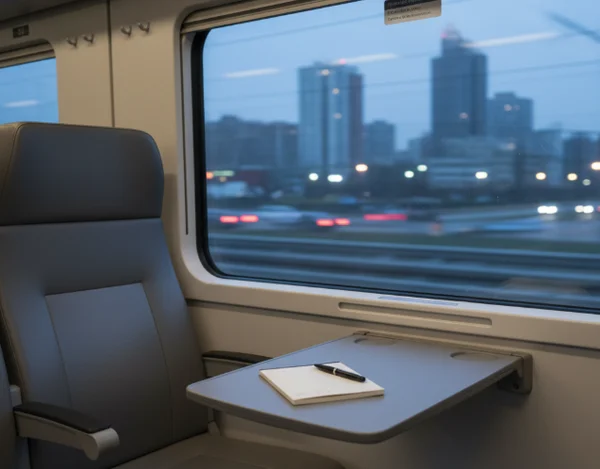
When buses or trains start to feel impossible
The shift often happens gradually. A person may first avoid one difficult route, then one crowded hour, then one kind of transport, until travel itself starts to feel threatening. NIMH estimates that 0.9% of U.S. adults had agoraphobia in the past year and 1.3% experience it at some point in life. That does not make your experience small. It simply means this pattern is real, recognizable, and worth understanding.
Public transport is a common trigger because it combines movement, uncertainty, waiting, and limited control. You may not be afraid of the bus or train as an object. You may be afraid of what it means to be on it. That can include delayed exits, dense crowds, physical symptoms, or the fear that panic will start and there will be no easy way out.
Why public transport can trigger agoraphobia-related fear
Escape difficulty, waiting, and feeling trapped in motion
This fear has a structure. MedlinePlus explains that agoraphobia often involves avoiding places where escape might be hard or help may not be available. It also fits situations such as travel or crowds. That matches why transport can feel so hard: the setting moves, the exit may not be immediate, and you may already be imagining the moment you would want to leave.
Waiting can make the fear stronger. A person may be able to imagine the trip itself, then panic at the station, on the platform, or during the delay before departure. The body reads that lack of control as danger. Once that connection is repeated enough times, the mind may start treating the whole transport chain as unsafe, not just one bad moment.
Why panic sensations can get tied to buses, trains, or stations
Panic sensations can lock the pattern in place. MedlinePlus notes that agoraphobia may develop after a panic attack when a person starts fearing situations that could lead to another one. If panic once happened in a station, on a bus, or while trapped in traffic, the next trip can feel dangerous long before anything is wrong.
Those body sensations are powerful. MedlinePlus says panic attacks can include chest pain, rapid heartbeat, dizziness, shortness of breath, sweating, trembling, nausea, and fear of losing control. On public transport, those sensations can feel even bigger because there may be noise, heat, movement, strangers, or no immediate exit. The body's alarm system starts treating the setting as part of the threat.
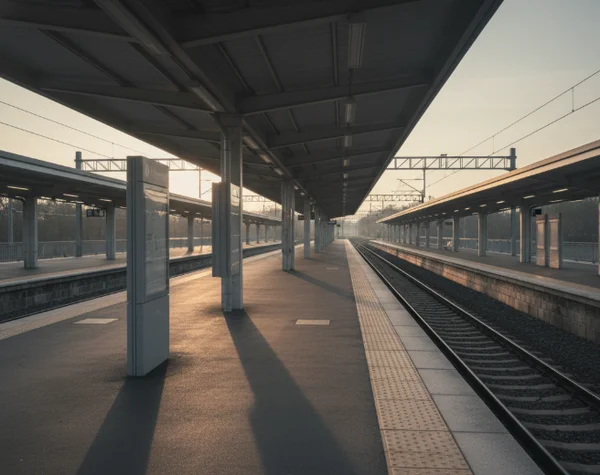
What an online agoraphobia test can help you notice
Patterns worth writing down after a difficult trip
A self-test is most useful when it helps you notice patterns. It is less useful when it becomes only a score. After a difficult trip, write down what happened before the fear started, what body sensations showed up, what thoughts got loudest, and what you did next. Did the fear begin before leaving home, while waiting, after the doors closed, or only when the route felt hard to escape?
It also helps to notice what you started avoiding. Maybe it is not all transport. Maybe it is rush hour, underground stations, long rides, standing-room-only buses, or routes without easy stops. The site's screening result page can be a useful place to connect those details to a broader pattern instead of treating each difficult trip as a random failure.
Why a self-test is a first step, not a formal diagnosis
An online screening result can point to a pattern. It cannot diagnose agoraphobia or panic disorder on its own. The site knowledge base is clear about that boundary, and it matters because transport fear can overlap with panic, trauma, medical concerns, or other anxiety conditions.
That does not make self-screening useless. It makes it more honest. A first-step result can help you explain what you are experiencing, decide whether the fear is spreading, and prepare for a conversation with a clinician. The site's agoraphobia support resources fit best when they are used as education and preparation, not as proof of a diagnosis.
When transport fear is a sign to seek more support
Small observations that can help before you seek care
Start by tracking the specific pattern. Note which routes feel possible, which ones do not, what time of day matters, and whether your fear changes if someone is with you. That kind of observation can make the experience easier to explain and can also show whether the feared zone is expanding.
It can also help to notice how much life is being rearranged around avoidance. If you are turning down work, school, appointments, or relationships because travel feels too risky, that is important information. It does not mean you have failed. It means the problem may need more support than self-management alone.

When a therapist or doctor should be part of the plan
Professional help becomes especially important when the fear is persistent. The same is true when panic sensations keep returning or avoidance is shrinking your world. A therapist or doctor can help sort out whether the pattern fits agoraphobia, panic disorder, another anxiety condition, or a mix of factors. That is something a self-test cannot do by itself.
Seek professional help promptly if symptoms are severe, getting worse, or stopping you from leaving home, using needed transport, or meeting basic responsibilities. Seek urgent help or emergency support if you are in crisis, feel unsafe, or fear that you may harm yourself. A screening result is a starting point, not the whole care plan.
What to remember after a difficult trip
Fear on public transport is not "just overreacting" when it keeps returning in the same pattern. The setting can feel threatening because it combines movement, waiting, crowds, and the fear of not getting out quickly enough. Once panic gets tied to that pattern, even short trips can start to feel much bigger than they look from the outside.
The next step does not have to be dramatic. Use a calm first-pass tool like the site's private agoraphobia test homepage to notice patterns, then decide whether it is time to bring those observations to a therapist, doctor, or other qualified mental health professional. Clearer language about the fear can make the next conversation easier, and that is often where recovery begins.